America's Pumpkin Spice Problem (And Why It Points to Something Bigger)
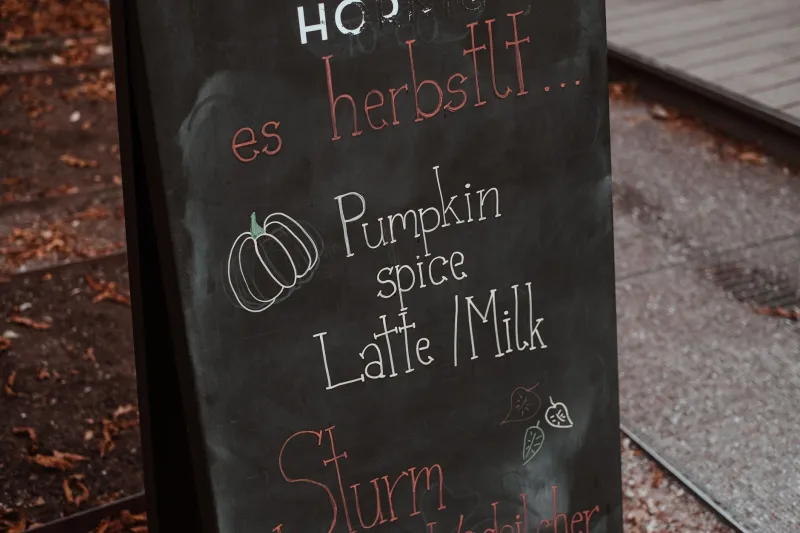
Somewhere around the third week of August, a shift happens. The temperatures are still in the nineties. Kids haven't gone back to school yet. The tomatoes in your garden are at peak perfection. And yet—there it is. The pumpkin spice latte is back.
Social media erupts. Half of America cheers. The other half rolls their eyes. And somewhere in a boardroom, a marketing team is watching the engagement numbers tick upward and feeling very, very pleased with themselves.
We need to talk about pumpkin spice. Not to cancel it—life is short, enjoy your latte—but because the cultural phenomenon around this one blend reveals something genuinely fascinating about how Americans relate to flavor, seasonality, and the deep human need to mark time with food.
How One Blend Became a Cultural Calendar
Let's get something out of the way first: pumpkin spice isn't actually about pumpkin. The classic blend is cinnamon, nutmeg, ginger, cloves, and allspice—a warming combination that's been used in American kitchens since the colonial era. Pumpkin pie was popular partly because pumpkins were abundant and the spices used to flavor them made something humble taste extraordinary.
Starbucks launched the Pumpkin Spice Latte in 2003, initially as a limited test in a handful of cities. By 2015, it had become the chain's best-selling seasonal beverage of all time. The genius wasn't the flavor—it was the scarcity. Available only in fall, the PSL became a cultural event rather than a menu item. Getting one felt like a ritual, a seasonal permission slip to start thinking about sweaters and apple orchards and Thanksgiving plans.
The food industry noticed. Pumpkin spice candles, pumpkin spice cereal, pumpkin spice dog treats, pumpkin spice hummus. (Yes, that last one is real.) By 2019, the market for pumpkin spice products in the US was valued at over $600 million. The blend had become less about flavor and more about a feeling—the collective exhale of summer ending, the cozy aesthetic of autumn beginning.
What We're Really Craving
Here's the part that's worth sitting with: the pumpkin spice obsession isn't really about cinnamon and nutmeg. It's about belonging to a moment. It's about the comfort of predictability in a world that often feels chaotic. It's about the fact that food, more than almost anything else, anchors us to memory and time.
That's not a small thing. That's actually beautiful.
But here's the problem: when we funnel all of that emotional energy into one commercial blend for one season, we're essentially outsourcing our relationship with spice to a marketing calendar. We're letting corporations tell us when warmth is allowed, when coziness is appropriate, when it's acceptable to want something that tastes like a hug.
And we're ignoring an entire world of flavors that could give us that same feeling year-round.
The Spices We're Sleeping On
Cardamom, for instance, does everything pumpkin spice does emotionally—it's warm, aromatic, slightly sweet, deeply nostalgic in Scandinavian and South Asian culinary traditions—but it's barely on the American radar outside of chai. A cardamom-spiced coffee cake in January hits just as hard as any pumpkin spice muffin in October. Maybe harder, because you're not expecting it.
Star anise brings a licorice-adjacent warmth that's extraordinary in braised meats, mulled wine, and even chocolate desserts. Sumac, which is bright and tangy and almost fruity, can transform a simple roasted vegetable dish into something that tastes genuinely complex. Smoked paprika has that same deeply satisfying savory warmth that makes you want to curl up somewhere comfortable.
These aren't exotic or inaccessible. They're sitting in grocery stores across the country. They're just not being marketed with lifestyle imagery and limited-time urgency.
The Seasonality Question
There's a reasonable counterargument to all of this, and it goes like this: seasonality in food is a good thing. Eating with the seasons—pumpkin in fall, citrus in winter, strawberries in summer—is actually more connected to nature and more sustainable than demanding every ingredient year-round. Shouldn't pumpkin spice get to have its season?
Absolutely. Seasonality in cooking is one of the most grounding and joyful practices you can adopt. But there's a difference between eating seasonally because you're paying attention to what's fresh and alive right now, and eating seasonally because a corporation has decided that warmth and comfort are fall-only commodities.
The first is mindful. The second is just marketing.
You can love the PSL and still ask why cinnamon gets to be a year-round baking staple but nutmeg only gets invited to the party in November. You can celebrate the arrival of autumn flavors while also lighting a cardamom-spiced candle in March, or making a ginger-forward cocktail in July, or experimenting with cloves in a summer stone fruit pie.
A Case for Spice Joy Without Borders
The deeper invitation here is to build a personal relationship with spices that isn't dependent on what season the calendar says it is or what the menu board at your local coffee shop is offering. To understand what cinnamon actually tastes like on its own—sharp, sweet, slightly woody—and then discover what it does in savory dishes, in cocktails, in a slow-cooked beef stew in February.
Pumpkin spice gave a lot of Americans their first real emotional connection to warm spices, and that's genuinely worth something. It cracked open a door. But the whole house is still there to explore.
So yes, get the latte. Enjoy every sip. But maybe this year, while you're waiting in line, think about what other flavors you've been saving for a season that might never feel like the right time. Chances are, the right time is right now.