Cinnamon's Secret Life: 5 Surprising Ways to Cook with It That Have Nothing to Do with Dessert
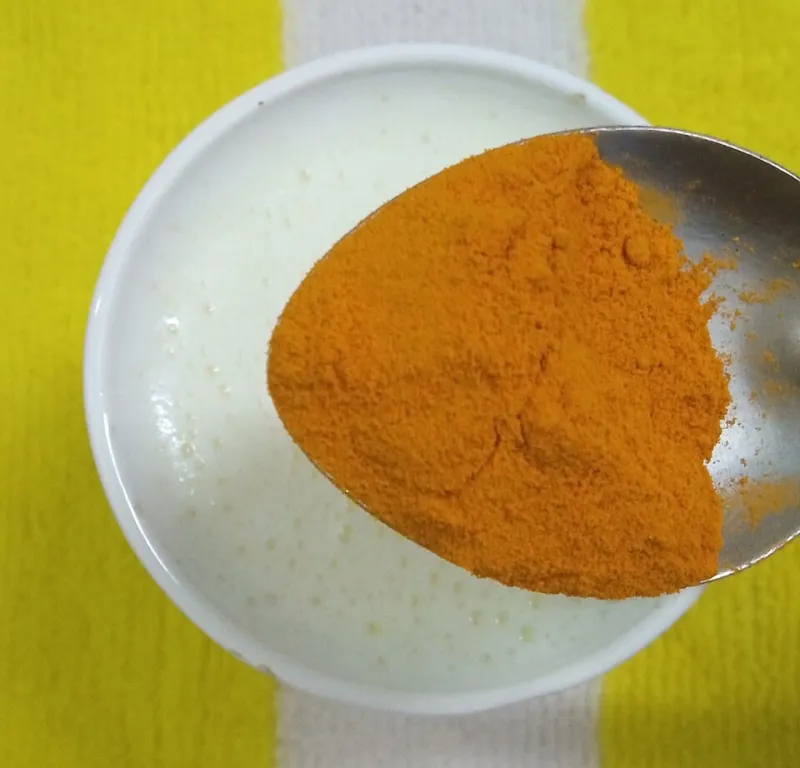
Photo: మురళీకృష్ణ ముసునూరి, CC BY-SA 4.0, via Wikimedia Commons
Let's be honest: for most of us, cinnamon lives a pretty limited life. It gets called up for holiday baking, sprinkled on oatmeal, and maybe stirred into a latte somewhere between September and January. Then it goes back on the shelf and waits.
But here's the thing — cinnamon is one of the most versatile spices in existence, and we've been wildly underusing it. It has a warmth and depth that works across flavor profiles in ways that genuinely surprise people the first time they experience it. The key is understanding why it works, not just where it's traditionally been used.
So we're blowing the lid off cinnamon's secret life. These five applications will change how you reach for that jar — and we've got a recipe for each one to prove it.
1. In a Savory Spice Rub for Chicken or Lamb
This is the one that raises the most eyebrows — and converts the most skeptics. Cinnamon has been used in savory meat preparations across Middle Eastern, North African, and Latin cuisines for centuries. American cooks are just a little late to the party.
The reason it works comes down to chemistry. Cinnamon's primary flavor compound, cinnamaldehyde, shares aromatic characteristics with some of the same compounds found in savory herbs like clove and allspice. When it's balanced with salt, heat, and umami-rich ingredients, the sweetness recedes and what remains is pure depth.
Recipe: Cinnamon-Spiced Roasted Chicken Thighs
Serves 4
Combine 1 tsp ground cinnamon, 1 tsp smoked paprika, 1 tsp cumin, ½ tsp garlic powder, ½ tsp kosher salt, ¼ tsp black pepper, and 2 tbsp olive oil into a paste. Coat 4 bone-in, skin-on chicken thighs thoroughly and let them marinate for at least 30 minutes (overnight is better). Roast at 425°F for 35–40 minutes until the skin is deeply golden and the internal temperature hits 165°F. Serve over herbed couscous or roasted chickpeas with a squeeze of lemon. The cinnamon won't read as "sweet" — it'll read as complex, warm, and deeply satisfying.
2. Stirred into a Tomato-Based Sauce
This one sounds strange until you taste it, and then you'll wonder why you ever made marinara without it. A pinch of cinnamon in a slow-simmered tomato sauce does something almost magical — it rounds out acidity, adds a subtle earthiness, and gives the whole thing a richness that people will notice but probably not be able to identify.
Greek pastitsio and Bolognese-adjacent recipes across southern Europe have been doing this for generations. We're just bringing it home.
Recipe: Slow-Simmered Sunday Tomato Sauce with Cinnamon
Makes about 4 cups
Sauté 1 diced onion and 4 minced garlic cloves in olive oil over medium heat until soft. Add 1 lb ground beef or lamb (optional — this works beautifully as a vegetarian sauce too) and cook through. Pour in two 28-oz cans of crushed San Marzano tomatoes, 1 tsp cinnamon, 1 tsp dried oregano, a pinch of allspice, salt, and pepper. Simmer uncovered on low for at least 45 minutes, stirring occasionally. The cinnamon should be a whisper, not a shout — taste as you go. Finish with fresh basil and serve over your favorite pasta.
3. In a Savory Roasted Vegetable Situation
Root vegetables and cinnamon are a match that deserves way more attention than it gets. Carrots, butternut squash, sweet potatoes, and beets all have a natural sweetness that cinnamon amplifies in the most elegant way. Add some heat and a touch of acidity and you've got a side dish that feels genuinely special.
This is the move for weeknight dinners when you want something that tastes like effort but actually takes twenty minutes of hands-on time.
Recipe: Cinnamon-Roasted Carrots with Harissa Yogurt
Serves 4 as a side
Toss 1.5 lbs of whole or halved carrots with 2 tbsp olive oil, ¾ tsp cinnamon, ½ tsp cumin, 1 tsp honey, and a generous pinch of salt. Spread on a sheet pan and roast at 400°F for 25–30 minutes, flipping once, until caramelized at the edges. While they roast, stir 1–2 tsp harissa paste into ½ cup plain Greek yogurt with a squeeze of lemon. Plate the carrots over the yogurt and finish with fresh herbs and a drizzle of good olive oil. It's beautiful, it's fast, and it'll become a regular.
4. In Your Morning Coffee (The Right Way)
Okay, this isn't entirely savory territory, but it's also not a dessert — it's a ritual. Adding cinnamon directly to coffee grounds before brewing infuses the whole pot with a subtle warmth that's completely different from sprinkling it on top of a finished drink. It blooms with the hot water and distributes evenly in a way that surface-level sprinkling never quite achieves.
For people who want the flavor without the grit, this is the method.
Recipe: Cinnamon-Brewed Morning Coffee
Add ¼ to ½ tsp of ground cinnamon directly to your coffee grounds in the filter before brewing — the exact amount depends on how strong you want the flavor. Brew as normal. If you want to take it a step further, add a small pinch of cardamom to the grounds as well. The result is fragrant, warming, and complex. No added sugar needed. Serve black, with a splash of oat milk, or however you take your morning cup.
5. In a Golden Milk Latte for Your Evening Wind-Down
Golden milk has been part of Ayurvedic wellness traditions for centuries, and it's had a serious moment in American wellness culture over the last several years — for good reason. Turmeric takes the lead, but cinnamon is what makes the whole drink feel cohesive and genuinely enjoyable rather than medicinal.
This is the recipe we make when the day has been a lot and we need something warm in our hands before bed.
Recipe: Evening Golden Milk Latte
Serves 1
Warm 1½ cups of your preferred milk (oat and full-fat coconut both work beautifully) in a small saucepan over medium-low heat — don't let it boil. Whisk in 1 tsp ground turmeric, ½ tsp cinnamon, ¼ tsp ground ginger, a tiny pinch of black pepper (this activates the turmeric's beneficial compounds), and 1–2 tsp honey or maple syrup to taste. Pour into your favorite mug. Optional: use a frother to create a light foam on top and dust with a pinch of extra cinnamon. It's soothing, grounding, and genuinely delicious.
The thread connecting all five of these uses? Cinnamon works because it bridges flavors, softens edges, and adds a layer of warmth that's hard to manufacture any other way. It's not a baking spice. It's not a seasonal ingredient. It's a year-round, full-kitchen tool that's been waiting patiently for you to give it a bigger role.
Start with one of these recipes this week. We're pretty confident the jar won't be going back on the shelf quite as quickly after that.